As an Amazon Associate I earn from qualifying purchases. This does not affect our editorial independence.
Weight loss supplements & protein guides

Weight Loss Supplements: A Practical Guide for UK Shoppers

Most weight-loss routines do not stall because everything is wrong at once. More often, one part of the routine keeps slipping: meals are inconsistent, calories creep up through convenience choices, protein is too low to stay satisfied, or busy days turn into snack-heavy ones.

That is where supplements can become useful. Not as a replacement for a calorie deficit, and not as a shortcut, but as practical tools that can make the harder parts of a weight-loss routine easier to repeat.

Last updated: April 2026 By Jamie, Editor
Research-informed Amazon-compliant tone Affiliate-supported
Choose the route that removes the most friction

How to choose the right weight-loss support route

The most useful weight-loss comparison is usually not “which supplement is best?” but “which format makes better choices easier to repeat?” For some people that is a leaner protein powder. For others it is a structured meal shake, a more deliberate snack option or a simpler low-carb shake that keeps calories easier to manage.

Protein first

When hunger shows up because meals are light on protein

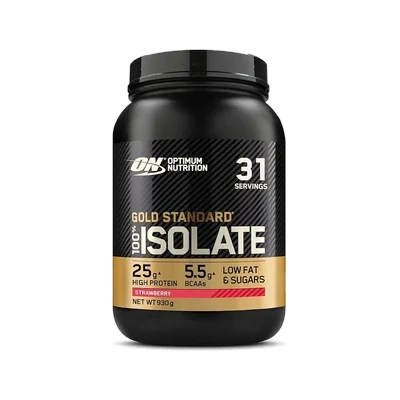
A lot of weight-loss plans feel harder than they need to because meals are not very satisfying. That is often where lower-calorie whey isolates can fit: not as a dramatic product, but as a simple way to raise protein without adding a lot of extra calories.

  • This usually sounds familiar when: breakfasts are light, lunches are inconsistent, or you feel hungry again quickly after eating.
  • What the category tends to help with: making it easier to build higher-protein meals and snacks around a calorie-controlled routine.

Structured meals

When the challenge is convenience rather than willpower

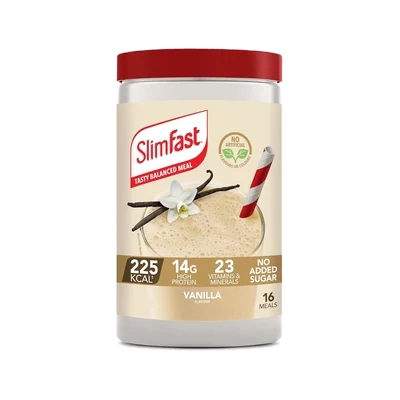
If the harder part is sticking to a plan on rushed days, meal replacement shakes can be easier to use consistently than ad-hoc choices grabbed on the go. They are mainly convenience tools for people who need something quick, portion-aware and easy to repeat.

  • This usually sounds familiar when: lunches get skipped, workdays are hectic, or convenience food takes over the week.
  • What the category tends to help with: giving busy days a more structured fallback option.

Snack control

When the weak point is what happens between meals

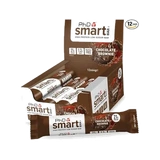
Sometimes the main issue is not breakfast or dinner — it is the handful of smaller choices that add up. In those cases, lower-calorie protein bars can make more sense than standard snack foods when you need something portable and a little more filling.

  • This usually sounds familiar when: afternoon cravings are strong, travel days derail the plan, or standard snacks do not keep you full for long.
  • What the category tends to help with: making snack choices more deliberate and protein-aware.

Appetite support

When the bigger challenge is feeling in control of intake

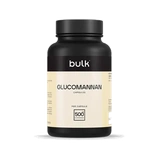
Some shoppers look at appetite-support supplements or thermogenic formats once the food basics are steadier. These tend to be comparison categories rather than first-step essentials, but they are often researched by readers who already have a food plan in place and want to compare the wider landscape.

  • This usually sounds familiar when: the routine is already fairly structured, but consistency still feels harder than expected.
  • What the category tends to help with: narrowing a secondary shortlist once the basics are not the main issue.
Quick picks

Quick starting points

Four fast examples covering the main routes most readers compare first.

Weight-loss decision guide

Meal shakes, leaner powders and where lower-carb options fit

These routes can look similar, but they solve different problems. Meal shakes are mostly about structure. Leaner powders are about adding protein without turning it into a full meal. Lower-carb options are usually just one way of keeping sugar and calories a little tighter within that broader comparison.

The simpler question is this: do you need a more organised meal option, or do you mostly need a leaner protein source that fits around normal food?

Woman running on a treadmill beside a shaker bottle and gym kit
How the split usually works

Need more structure? Start with meal shakes. Need leaner protein around normal meals? Start with lower-calorie protein.

Meal shakes

Better when busy days keep turning into improvised meals.

Think of a meal shake as a structured fallback when lunch is the part of the day that keeps slipping.

Where it usually fits

They are often researched by people whose routine is not failing because they lack information, but because the day gets messy. A simple shake can be easier to repeat than an ambitious packed lunch plan that never quite happens.

What it is really solving

Usually convenience, portions and repeatability. It is less about perfection and more about giving the day a reliable default.

  • Useful when workdays are rushed
  • Can make portions more consistent
  • Often easier than starting from scratch every lunchtime
Reality check: if your meals are already well structured, a meal shake may not be the thing that moves the needle most.
Compare meal shakes

Lower-calorie protein

Better when meals exist, but they are not very filling.

This route usually makes more sense when hunger is the bigger issue and you want to raise protein without using a full meal-replacement format.

Where it usually fits

A whey isolate or similar lower-calorie protein product can be useful when breakfasts, yoghurts, oats or smoothies need more protein but not many more calories.

What it is really solving

Often satiety and protein coverage rather than meal structure. It helps the existing routine feel more satisfying and easier to stick to.

  • Useful when hunger rebounds too quickly
  • Fits around normal meals and snacks
  • Usually a cleaner fit when you do not want a full meal replacement
Reality check: protein is helpful, but it still needs to sit inside a wider routine that makes sense overall.
Browse lower-calorie protein
Where portable options can fit

Snacks, bars and the everyday moments that usually decide consistency

A lot of plans look tidy on paper because breakfast and dinner are planned. The messier part is often between meals, during work, commuting or late evenings when convenience wins.

That is why snack-friendly products keep showing up in weight-loss research. Not because they are inherently special, but because consistency usually depends on what happens in those unplanned moments.

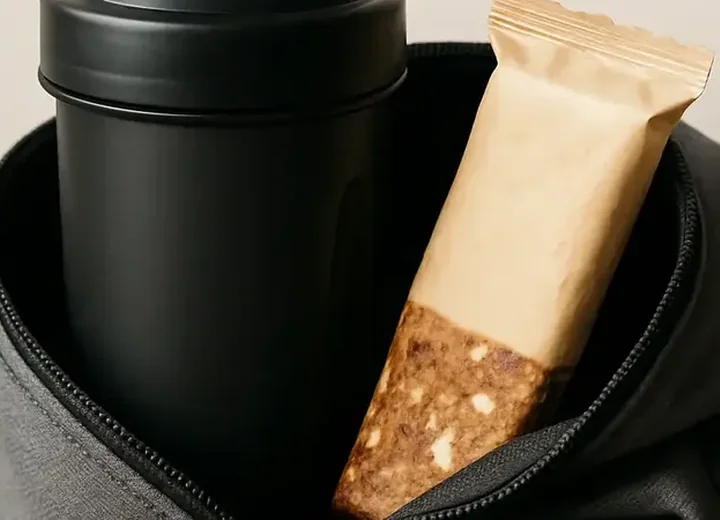
Protein bar and shaker bottle packed into a gym bag
Where they usually earn their place

Between-meal gap? Bars can help. Already structured? Appetite support is usually the later comparison.

Bars & snacks

Useful when the routine breaks down between meals.

Protein bars are usually at their most useful when they replace a less deliberate snack rather than when they are added on top of everything else.

Where it usually fits

Commuting days, afternoon slumps, long meetings or travel are the moments when lower-calorie protein bars can help the routine stay more predictable.

What to compare

Calories, protein per bar, sugar levels, fibre and how realistic the flavour and texture feel for repeated use.

  • Portable and simple
  • Can make snack choices easier to plan
  • Often more useful than a random vending-machine option
Reality check: the product still needs to suit your day-to-day habits, not just look tidy in a comparison table.
Compare lower-calorie protein bars

Appetite support

More often a secondary comparison than a first move.

These categories are usually more useful once meals, protein and overall structure are already more settled.

Where it usually fits

They tend to be researched by shoppers who already have a plan in place and want to compare whether an additional format is worth considering.

What to compare

Ingredient clarity, how the format is meant to be used, and whether the wider routine is strong enough that the product is solving a real gap.

  • Usually not the main foundation
  • Usually considered after food-first basics
  • Worth comparing carefully before buying
Reality check: if meal timing and food choices are still chaotic, this is rarely the most useful place to start.
Compare appetite-support options
Browse by category

Browse weight-loss supplement types

The category pages below bring together the main routes people usually compare on this hub, from meal shakes and leaner whey options to protein bars, appetite-support products and thermogenic formats.

Need a clearer route?

Not sure where to start?

Take the quick quiz for a clearer route based on your goal, routine and main sticking point.

Take the quick quiz
Common questions

Weight Loss Supplements FAQs

These quick answers cover the questions that usually come up before choosing between the main routes on this page.

Do you need meal shakes to lose weight?

No. They are optional. Meal shakes are usually most useful when convenience and portion structure are the main problems rather than knowledge alone.

Is a lower-calorie whey isolate better than a normal whey for weight loss?

Not automatically. It usually makes sense when you want to raise protein while keeping calories tighter, but the wider routine still matters more than one product choice.

Are protein bars useful for weight loss?

They can be, particularly when they replace a less deliberate snack rather than being added on top.

Do appetite-support supplements replace food planning?

No. They are usually secondary options and tend to make more sense once meals, calories and protein are already more organised.

What should you compare before buying a weight-loss supplement?

Look at protein per serving, calories, portion size, ingredient clarity, how the format fits your routine and whether it is solving a real sticking point.

Can you lose weight without supplements at all?

Yes. Supplements are optional. They are there to make certain parts of a routine easier to repeat, not to replace the basics.

Editorial approach

How Protein Pitstop approaches weight loss supplements

We do not treat supplements as shortcuts to fat loss. In most routines, progress still comes back to calorie control, protein intake, meal structure and consistency over time.

That is why we start with the daily sticking point first, then the category, and only then the individual product. It keeps pages like this focused on what a supplement is realistically there to help with.

What sits underneath the recommendations

Routine first. Clear labels next. Quick-fix claims last.

01We start with the real friction point. Before we compare brands or flavours, we ask whether the issue is meal structure, protein intake, snacking, calories or simple convenience. That keeps each category solving a specific job.

02We compare the label before the promise. Protein per serving, calories, portion size, sugar, fibre and ingredient clarity usually tell you more than a dramatic claim on the front of the pack.

03We keep the advice tied to ordinary life. A useful recommendation has to work with busy weekdays, social meals, commutes and imperfect routines — not just an ideal plan written on paper.

04We would rather narrow the job than oversell the product. The aim is to show where a shake, bar or appetite-support option genuinely helps, where it does not and when better meal planning may already solve more.

That approach keeps the page useful even if you are not ready to buy today. The goal is to help you understand which category fits the gap in your routine, then compare options with a clearer filter rather than chasing a quick-fix promise.

Next reads

Useful next reads

Use these next reads to compare products more carefully, understand the editorial process and build out the rest of your research. You do not need every supplement on the market — just the one that fits the gap in your current routine.