As an Amazon Associate I earn from qualifying purchases. This does not affect our editorial independence.
Vegan protein guides & plant-based supplement comparisons
Vegan Protein: A Practical Guide for UK Shoppers
Most vegan protein decisions are not really about finding one perfect powder. They are usually about working out what fits your routine better: a smoother all-round blend, a simpler single-source powder, a higher-protein training option or a format that feels easier to use every day.
That is where comparison becomes useful. Not to overcomplicate the category, but to narrow it down to the type of product that matches your priorities around taste, ingredients, protein per serving and how often you will genuinely use it.
Plant-based protein gets easier once the priority is clear
Four common vegan protein routes
Vegan protein can look crowded because several different buying priorities are mixed together: all-round blends, simpler single-source powders, training-focused formulas and plant-based products that are simply easier to drink regularly. This page breaks those routes apart so the shortlist feels more deliberate.
01
Everyday blend
When you want a more rounded all-purpose option
For many readers, a vegan protein blend is the most natural starting point because it balances protein intake, texture and day-to-day usability in one place. These are often the easiest products to compare first if you want one tub that fits training days and ordinary busy days alike.
This usually sounds familiar when: you want one product that can cover shakes, oats and quick breakfasts without a lot of fuss.
What the category tends to help with: making plant-based protein simpler to use consistently.
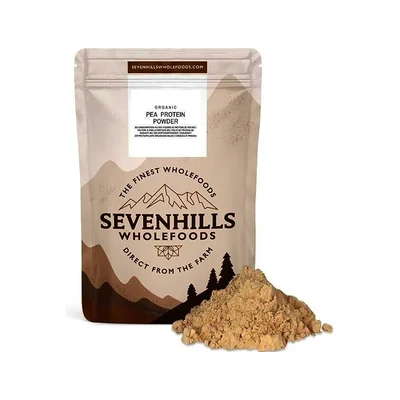
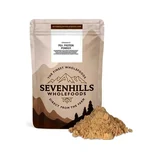
Some shoppers prefer a more stripped-back route such as pea protein or a simpler plant protein product. That tends to appeal when fewer ingredients, clearer sourcing or a more straightforward label matters more than added extras.
This usually sounds familiar when: you want to keep the ingredient list simpler or compare one plant source more directly.
What the category tends to help with: narrowing the shortlist around clarity and simplicity rather than features.
There are also plant-based products built more around training routines, with higher protein servings, added amino support or broader blend formulas. These are often compared by readers who want a vegan option that sits more comfortably alongside a gym-focused routine.
This usually sounds familiar when: the question is not whether to use vegan protein, but which type suits a more performance-focused setup.
What the category tends to help with: comparing stronger protein-first blends without leaving plant-based options behind.
When the goal is to compare outside the mainstream shortlist
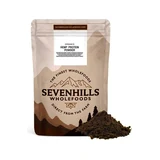
Beyond the mainstream blends, some readers also compare categories like hemp proteins or broader sustainable plant-protein options. These are more specialist routes, but they can be useful once the main blend-versus-simplicity question is already clearer.
This usually sounds familiar when: you have already seen the mainstream shortlist and want to explore more niche plant-based formats.
What the category tends to help with: widening the search carefully rather than buying the first vegan tub you see.
This is often the first useful split to make. A blend usually aims to be the easier all-rounder. A single-source plant protein usually appeals more when simplicity, texture expectations or ingredient preferences are doing more of the decision-making.
The practical question is usually this: do you want a more rounded tub for daily use, or a simpler product that is easier to understand and compare ingredient by ingredient?
Quick way to think about it
Blended vegan protein
Better when you want one practical tub that does more than one job.
A blend is often the cleaner route if you want a product that works for shakes, breakfasts and general gym use without overthinking each serving.
Where it usually fits
Blended products are often the first stop for shoppers who want a more complete-feeling vegan protein option and care about taste or mixability as much as the ingredient label.
What it is really solving
Usually routine friction. The category is often most useful when it makes plant protein easier to live with consistently.
Often easier as an all-rounder
Usually the most natural first shortlist
Can feel more forgiving on taste and texture
Reality check: if you prefer minimal ingredients above all else, a blend may not be your first choice.
A vegan label on its own does not tell you much about whether a product will work for your actual routine. The more helpful comparison usually sits around useability: will you drink it often enough, does the serving size make sense, and are you happy with how the formula is put together?
That is why the more useful next step is usually not to chase the biggest claims, but to compare a few well-defined formats side by side.
Quick way to think about it
Everyday use
Choose the tub you are most likely to use consistently.
The easiest vegan protein to stick with is often the one that feels acceptable enough day after day, not the one with the loudest front label.
Where it usually fits
Readers often come back to mixability, flavour and convenience because that is what decides whether the tub earns a permanent place in the kitchen.
What to compare
Protein per serving, flavour range, serving size, whether the blend includes extras and how much those extras matter to you.
Consistency matters more than marketing
Serving size changes the real comparison
Flavour and texture still affect long-term use
Reality check: a strong ingredient list is less useful if the product is a chore to finish.
These are commonly shortlisted options across the main routes on this page. Start with the review or category page for context, then use the Amazon link when you want to check live pricing, sizes and flavour availability.
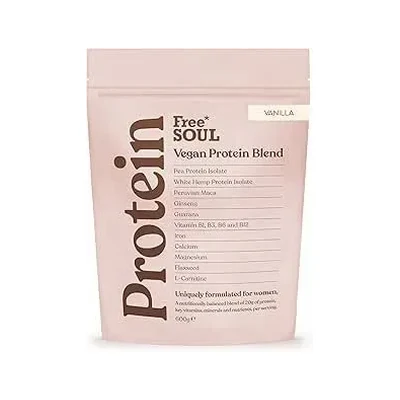
Everyday vegan blend
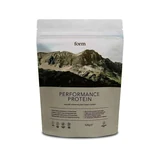
Free Soul Vegan Protein Blend
A widely compared vegan blend for readers who want something practical enough for day-to-day use rather than a more niche plant format. Start with the full review or compare broader options on the vegan proteins page.
These quick answers cover the questions that usually come up before choosing between the main routes on this page.
Is vegan protein enough for gym routines?
It can be. The more useful question is whether the product gives enough protein per serving and whether it fits the rest of your diet consistently.
Should you choose a blend or a single-source vegan protein?
A blend is often the easier all-round starting point. A single-source product can make more sense when ingredient simplicity matters more to you.
Are vegan proteins usually lower in protein than whey?
Some are, some are not. The better comparison is protein per serving, serving size and how the product fits your wider routine.
Do taste and texture still vary a lot in vegan protein?
Yes. That is still one of the most practical reasons to compare carefully rather than buying based on marketing alone.
Is hemp protein the same as a standard vegan blend?
No. Hemp products tend to be a more specialist route, while mainstream vegan blends are usually built as broader all-rounders.
Can you build muscle on plant-based protein alone?
Yes. Supplements are still only part of the picture, but plant-based protein can fit perfectly well inside a well-planned routine.
Next reads
Useful next reads
Use these next reads to compare products more carefully, understand the editorial process and build out the rest of your research. You do not need every supplement on the market — just the one that fits the gap in your current routine.