As an Amazon Associate I earn from qualifying purchases. This does not affect our editorial independence.
Muscle gain supplements & protein guides

Muscle Gain Supplements: A Practical Guide for UK Shoppers

Most muscle-gain routines do not fall apart because everything is missing at once. More often, one area keeps slipping behind the rest: daily protein intake, overall calories, training support or simple day-to-day convenience.

That is where supplements tend to become useful. Not as a shortcut, and not as a replacement for food, but as practical ways to shore up the parts of a routine that are hardest to repeat consistently across the week.

Last updated: March 2026 By Jamie, Editor
Research-informed Amazon-compliant tone Affiliate-supported
Muscle gain often stalls in familiar places

Four common muscle gain sticking points

A lot of the time, muscle gain does not slow down because somebody needs a bigger stack. It slows down because one part of the routine is harder to hold together than the others. For some, that is protein intake. For others, it is simply getting enough calories in across the day. And once food is in a better place, the conversation usually shifts towards training support or convenience.

Most routines usually lean in one direction. Sometimes the issue is simply that protein never quite adds up by the end of the day. Sometimes it is total calories. In other cases, the basics are more settled and the focus shifts towards training support, or towards having something genuinely practical when meals are not.

Protein intake

When meals are there, but the day still ends a little light

Even with decent training consistency, protein intake can drift more than people realise, especially when breakfasts are rushed, lunches are light or the week never quite settles into a rhythm. That is usually where whey protein starts to make more sense in the wider picture: less as a dramatic change, more as a reliable way of keeping daily intake from finishing lighter than expected.

  • This usually sounds familiar when: breakfast is light, lunch is inconsistent or you keep ending the day short on protein.
  • What the category tends to help with: making intake easier to repeat across the week without rebuilding every meal from scratch.

Calorie intake

When appetite, time or meal volume become the bigger story

For plenty of people, the harder part is not protein in isolation but total intake. When appetite is low, days are busy or meals are inconsistent, weight gain can stall simply because enough food is not being repeated often enough. That is where mass gainers usually enter the conversation, particularly in routines where eating more through standard meals is easier said than done.

  • This usually sounds familiar when: body weight is not moving, meals feel too small or eating enough already feels like work.
  • What the category tends to help with: supporting higher-calorie days in a way that is often easier to repeat than adding more full meals.

Training support

When the food side is steadier and attention turns to the gym itself

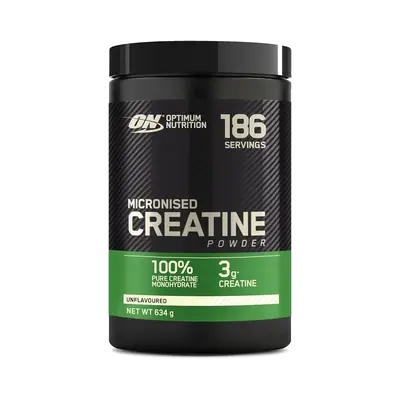
Sometimes the food side is already in a better place and the next comparison is less about meals, shakes or calories. That is often when creatine gets looked at more closely: not as a substitute for the basics, but as a simple addition that tends to sit alongside a more training-focused routine.

  • This usually sounds familiar when: food is steadier, training is regular and the question becomes what supports gym performance rather than meal volume.
  • What the category tends to help with: giving a simple daily add-on once the routine foundations already look solid.

Convenience

When the weak point is not knowledge or effort, but keeping things practical

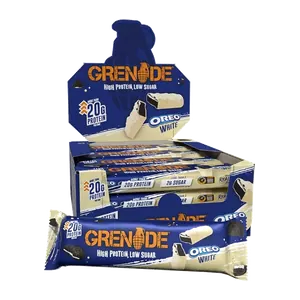
There are also plenty of routines where the real issue is neither knowledge nor motivation, but convenience. Missed meals, commuting, late finishes and time away from home all tend to make consistency harder. In those cases, protein bars and ready-to-drink options often become part of the picture simply because they travel better than good intentions.

  • This usually sounds familiar when: the plan makes sense on paper, but work, travel or late finishes keep knocking meals out of place.
  • What the category tends to help with: keeping intake more practical when portability matters as much as the nutrition itself.
Quick picks

Quick Protein Picks

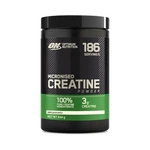
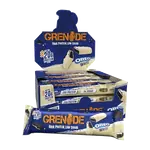
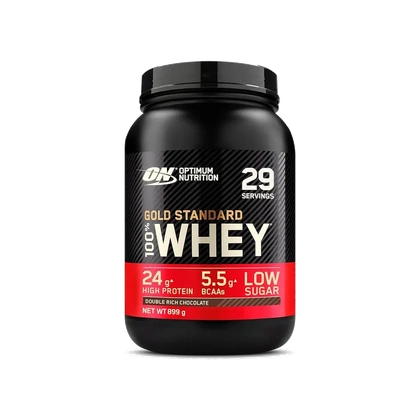
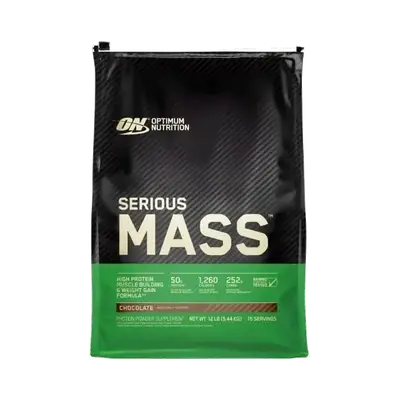
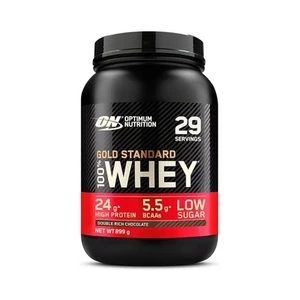
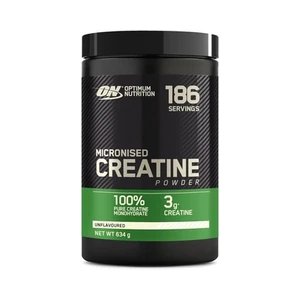
Four quick picks covering mass gainers, whey, creatine and convenient protein.

Muscle building decision guide

Whey vs Mass Gainer

Whey protein and mass gainers often get mentioned together, but they do different jobs. Whey is usually the better fit when the main gap is protein intake. A mass gainer tends to make more sense when the bigger issue is total calories.

The simplest way to look at it is this: are you struggling more to eat enough protein, or enough food overall? If protein is the weak point, whey is often the cleaner option. If training is happening but body weight is not moving, a mass gainer can be the more practical route.

Quick way to think about it

Protein gap? Start with whey. Calorie gap? Start with a mass gainer.

Whey protein

Better when meals are broadly fine, but protein keeps trailing off.

Think of whey as a tidy way to top up intake without turning every shake into a big calorie commitment.

Where it usually fits

Whey tends to make most sense when breakfast is light, lunch is rushed, or the day simply finishes short on protein. In those routines, it works less like a dramatic supplement and more like a repeatable fix for a familiar gap.

What it is really solving

Not muscle gain in isolation. The more realistic job is helping daily protein intake stay on track when normal meals do not quite get there often enough.

  • Useful when meals are light or inconsistent
  • Easier to repeat than rebuilding every meal
  • Usually the cleaner option when calories are not the main issue
Reality check: if body weight is not moving because total food intake is too low, whey may not be the main answer.
Compare whey protein options

Mass gainer

Better when the real bottleneck is eating enough to stay in a surplus.

Mass gainers are usually less about gym effort and more about making high-calorie intake easier to repeat in ordinary life.

Where it usually fits

They become more relevant when appetite is low, days are busy, or eating more through normal meals still feels hard to sustain. In that context, a calorie-dense shake can be more practical than simply trying to force bigger plates of food.

What it is really solving

The issue is usually not protein on its own. It is the wider challenge of getting enough total food in often enough for body weight to move.

  • Useful when appetite is smaller or meals get skipped
  • Helps support a calorie surplus more conveniently
  • Usually makes more sense once you know food volume is the real problem
Reality check: if you already eat enough comfortably, a mass gainer can simply add calories you do not need.
View mass gainer options

How the two categories typically compare

Whey Protein Mass Gainer
Calories per serving ~120–150 kcal ~400–700 kcal
Protein per serving ~20–25g ~30–50g
Carbs per serving ~5–10g ~60–100g
Servings per day 1–2 1
Usual starting point Protein gap Calorie gap

How to choose without overthinking it

If protein is the weak point, whey usually makes the cleaner starting point. If calories are the weak point, mass gainers usually deserve attention first. Getting that distinction right tends to make the rest of the page far easier to use.

Training support explained

Creatine: where it fits once the basics are steadier

Creatine sits in a different lane from whey protein and mass gainers. It is not there to help you eat more food or patch up a low-protein diet.

It usually makes more sense once the food side is in a better place and you want a simple, low-maintenance supplement that fits around regular training.

Quick way to think about it

Food and routine settled? Creatine can fit neatly. Basics still messy? Fix those first.

What it is for

Better thought of as training support, not a food substitute.

Creatine helps support short bursts of high-effort work. That is why it is so often linked with gym training rather than meal replacement or calorie intake.

What it is really solving

Creatine is not a shortcut to muscle gain on its own. The more realistic role is supporting the training side of the routine once the nutrition side is already reasonably steady.

Why people keep it simple

Part of the appeal is that it is usually easy to use. Most people treat it as a daily habit rather than building an elaborate system around timing and complicated stacks.

  • Useful when you already train fairly regularly
  • Works best alongside a routine that already exists
  • Usually suits people who want a simple add-on, not a complex setup
Reality check: creatine can support training, but it does not replace the training itself.

Where it usually fits

More relevant later on, once meals and consistency are not the obvious bottlenecks.

The sensible place for creatine on this page is as a later-stage option. Not advanced in an intimidating sense, just slightly further down the line once the foundations are steadier.

Who should usually care about it

Creatine is generally more relevant when you already have a routine, meals are reasonably under control and you want something straightforward that supports the gym side of the picture.

When it probably is not the priority

If you are still missing meals, failing to get enough protein or struggling to gain weight because total intake is too low, creatine is usually not the first lever to pull.

There is often more value in fixing the foundations first, then deciding whether a simple training-focused add-on still feels useful.

Reality check: if the basics still feel messy, there is usually more to gain from sorting food and routine before adding creatine.

How to place creatine without overcomplicating it

Creatine usually makes the most sense when the bigger problems are no longer protein intake or total calories. Once the foundations are steadier, it can sit neatly as a simple daily support option around regular training.

Compare the details

What tends to matter more than the front of the tub?

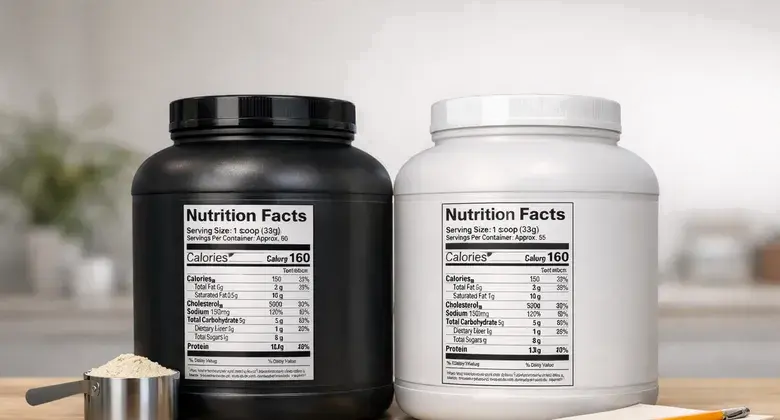
The strongest shortlist decisions usually come from the same handful of checks: protein per serving, calories per serving, real serving size, ingredient clarity and value per serving.

That is true whether you are comparing whey protein, mass gainers or creatine. The front of the tub is usually trying to sell a promise. The nutrition panel is what tells you whether the product actually fits the job.

Two unbranded protein powder containers side by side showing nutrition facts labels
  • Ignore the headline first: headline claims can make two very different products look similar at a glance.
  • Check protein per serving: so you can see what you actually get each time you use it.
  • Compare calories next: especially when the real issue is total intake rather than protein alone.
  • Look at the real serving size: to keep large scoops and inflated front-of-pack numbers in context.
  • Read the ingredients clearly: so it is easier to separate substance from branding and extras.
  • Work out value per serving: because shelf price on its own rarely tells the full story.

Simple rule: compare the label first, then use flavour, format and extras to split similar products.

Read the buying guide
Browse by category

Browse muscle gain supplement types

The category pages below bring together the main product types that usually sit around muscle gain routines, from whey protein and mass gainers to creatine, portable protein options and pre-workout products.

Need a clearer route?

Not sure where to start?

Take the quick quiz for a clearer route based on your goal, routine and main sticking point.

Take the quick quiz
Common questions

Muscle gain FAQs

These quick answers cover the questions that usually come up before choosing between whey, mass gainers, creatine and more convenient formats.

How much protein do you actually need to build muscle?

That depends on your body weight, training, overall diet and how consistent your meals already are. For most people, the useful goal is getting enough protein across the whole day rather than relying on one large shake.

If meals already cover most of it, a supplement may just fill the remaining gap.

Is whey or a mass gainer better for muscle gain?

They solve different problems. Whey usually makes more sense when protein intake is the main gap. A mass gainer usually makes more sense when total calories are the bigger issue and body weight is not moving.

Do you need a mass gainer to put on weight?

No. A mass gainer is mainly a convenience tool when total calorie intake is hard to get from meals alone. If you can comfortably eat enough food, you may not need one.

Can you build muscle without supplements?

Yes. Muscle gain still comes back to training, food, recovery and time. Supplements are optional. They are simply there when they make the basics easier to stick to.

Do whey protein and creatine do the same job?

No. Protein powder helps you cover daily protein intake. Creatine is typically used as a simple daily add-on alongside training. They can sit in the same routine, but they solve different problems.

Can you take whey and creatine together?

Yes. They are often used in the same routine because they do different jobs. Whey is usually about protein intake, while creatine is usually treated as a separate daily training-support habit.

When should you take creatine?

Most people treat it as a daily habit rather than something that only matters around a specific workout. Consistency usually matters more than perfect timing.

Are protein bars good for muscle gain?

They can be useful when convenience is the real issue. Protein bars are not magic, but they can help people stay more consistent on busy days when a proper meal or shake is less realistic.

What should you compare before buying a muscle gain supplement?

Look past the front-of-pack claims. Protein per serving, calories per serving, serving size, ingredient clarity and value per serving usually tell you more than the headline promises on the tub.

Editorial approach

How Protein Pitstop approaches muscle gain supplements

We do not treat supplements as magic fixes. In most routines, muscle gain still comes back to training, total food intake, protein intake and consistency over time.

That is why we start with the routine problem first, then the category, and only then the individual product. It keeps pages like this grounded in what a supplement is realistically there to help with.

What sits underneath the recommendations

Context first. Clear labels next. Product hype last.

01We start with the real bottleneck. Before we talk about brands or flavours, we ask whether the actual issue is daily protein, total calories, training support or simple convenience. That keeps different supplement categories in the right lane.

02We trust labels more than slogans. Clear nutrition information, realistic serving sizes and straightforward ingredient lists usually tell you more than a dramatic promise on the front of the tub.

03We keep the advice tied to ordinary life. A useful recommendation has to make sense in a normal week with real meals, busy days and inconsistent schedules, not just in a perfect routine on paper.

04We would rather clarify the job than oversell the product. The aim is to show where a supplement genuinely fits, where it does not and when a simpler or cheaper option may already be enough.

That approach keeps the page useful even if you are not ready to buy today. The goal is to help you understand which category fits the gap in your routine, then compare options with a clearer filter rather than chasing the loudest claim on the shelf.
Next reads

Useful next reads

Use these next reads to compare products more carefully, understand the editorial process and build out the rest of your research. You do not need every supplement on the market — just the one that fits the gap in your current routine.