As an Amazon Associate I earn from qualifying purchases. This does not affect our editorial independence.
Recovery supplements & practical comparison guides

Recovery Supplements: A Practical Guide for UK Shoppers

Recovery products usually make the most sense once the basics are already fairly steady. Sleep, food and training load still do most of the heavy lifting, but many shoppers still compare specific formats when they want something practical around repeated training, late sessions or better overnight cover.

That is where this hub helps. Not by pretending one product fixes recovery on its own, but by showing where different categories tend to fit once the wider routine is already doing its job.

Last updated: April 2026 By Jamie, Editor
Research-informed Amazon-compliant tone Affiliate-supported
Recovery support makes more sense once the real need is clear

Four common recovery routes

Recovery products usually become easier to compare once you know what the routine is missing: a steady post-workout protein, something lighter after training, a slower overnight option or an extra category that sits around repeated sessions. This page is designed to separate those decisions rather than lump them together.

Overnight protein

When the question is how the routine looks between dinner and breakfast

That is usually where casein protein enters the conversation. It is often compared by shoppers who train regularly and want a slower protein option in the evening or before bed as part of a more settled routine.

  • This usually sounds familiar when: evening training is common, food is mostly in place and you want a clear overnight protein format to compare.
  • What the category tends to help with: giving the evening part of the routine a more deliberate protein option.

Training-window drinks

When you want something lighter around sessions

For some readers, a lighter amino or clear-drink style format feels more realistic than another thick shake. That is where categories like BCAA and EAA powders or clear whey reviews often become more relevant.

  • This usually sounds familiar when: you want a drink around training that feels easier than a full meal or a heavier shake.
  • What the category tends to help with: comparing lighter formats around repeated training sessions.

Glutamine comparison

When you want to research one of the most commonly compared add-ons

Glutamine supplements are often researched by readers looking at the wider recovery category once food, protein and training are already more established.

  • This usually sounds familiar when: the routine is already fairly organised and you want to compare one of the better-known recovery add-ons.
  • What the category tends to help with: narrowing the shortlist carefully rather than buying on the strength of one headline claim.

Joint-support thinking

When the wider goal is keeping a demanding routine sustainable

Some readers researching recovery are really thinking about repeated lifting, higher-impact training or keeping the whole setup feeling manageable. That is often where joint-support products appear in the wider research.

  • This usually sounds familiar when: recovery is not just about one session, but about staying comfortable and repeatable across a harder training block.
  • What the category tends to help with: expanding the research into the wider support categories that sit around training.
Quick picks

Quick recovery starting points

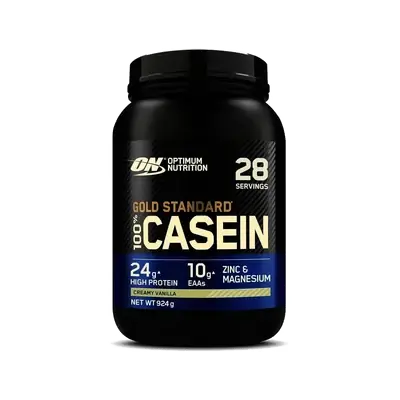
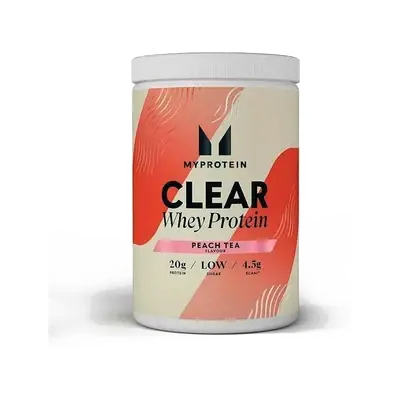
Four fast examples covering the main routes most readers compare first.

Recovery decision guide

Casein, clear whey and faster post-workout options

Recovery comparisons work best when you separate overnight cover from easier daytime drinkability. Casein is usually about the slower, fuller-feeling end of the category. Clearer whey and ready-to-drink styles tend to be about convenience after training or between meals.

The useful question is not which category sounds more advanced. It is whether you need a slower protein option later in the day, or a lighter drink format that feels easier around workouts.

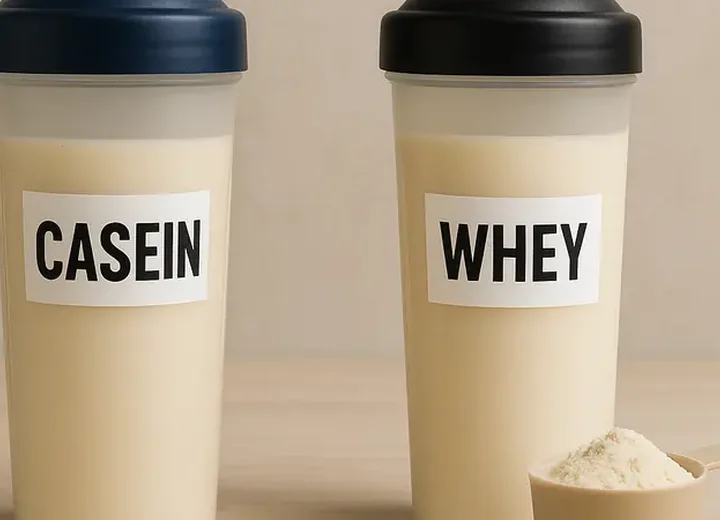
Two protein shakers labelled casein and whey on a countertop
The practical split

Evening protein? Start with casein. Lighter around training? Look at amino drinks.

Casein protein

Better when the evening part of the routine is the real focus.

Casein often makes more sense when the routine already includes training and meals, but you want a slower protein format at the end of the day.

Where it usually fits

Late-evening snacks, before-bed routines and nights when you want a more deliberate protein option are where casein tends to make the most practical sense.

What it is really solving

Usually structure and preference in the later part of the day, rather than anything miraculous about the product itself.

  • Useful for evening routines
  • Often chosen as a slower protein format
  • Easy to compare against standard whey
Reality check: if your main issue is what happens around training, casein may not be the first category to compare.
Compare casein proteins

Amino drinks

Better when a lighter training-window drink feels easier to use.

BCAA and EAA formats are often compared by people who want something easier to sip around sessions than another milky shake.

Where it usually fits

These products usually appear in the research when training is frequent and drinkability matters as much as the category itself.

What it is really solving

Mostly convenience and preference around the training window, particularly for people who do not want another thick drink.

  • Lighter around sessions
  • Often easier to sip during or after training
  • Useful when drinkability matters
Reality check: the wider routine still matters more than one around-training product.
Compare amino powders
A broader look at recovery support

When the shortlist moves beyond protein alone

A lot of recovery shopping starts with protein, but it does not always end there. Once the training routine is harder, some readers start comparing glutamine or joint-support products as part of the wider setup.

The important thing is to treat these as comparison categories, not shortcuts. They only make sense when they are solving a real question in a routine that already has the basics in place.

Athlete foam rolling on the gym floor beside a shaker bottle
What usually comes later

Basics covered? Broader add-ons can be worth comparing. Basics still messy? Keep the shortlist simpler.

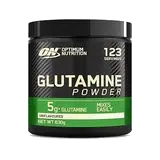
Glutamine

Usually a secondary add-on category rather than the foundation.

Glutamine tends to be compared by readers who already have food and protein more settled and want to research a broader support format.

Where it usually fits

More established routines, harder training blocks and readers who already know the basics are not the main issue.

What to compare

Serving size, ingredient simplicity, cost per serving and whether the format is actually relevant to your own setup.

  • Usually not the first place to start
  • Usually compared once basics are settled
  • Worth researching carefully before buying
Reality check: the category makes most sense when it answers a real question in your own routine.
Compare glutamine products

Joint support

A wider support route for training blocks that feel tougher to sustain.

This category often enters the picture when shoppers are thinking about keeping the whole routine more comfortable and repeatable over time.

Where it usually fits

It is part of the wider recovery conversation for people lifting regularly, running higher volumes or simply wanting to compare the broader support landscape.

What to compare

Format, ingredient stack, how often you would use it and whether it fits the way you actually train.

  • Wider support category
  • Often researched alongside recovery products
  • Useful once the main shortlist is clearer
Reality check: this is usually part of the wider picture, not the centre of it.
Browse joint-support products
Browse by category

Browse recovery supplement types

The category pages below pull together the main routes readers usually compare here, from casein and amino drinks to clearer whey options, glutamine and broader joint-support products.

Need a clearer route?

Not sure where to start?

Take the quick quiz for a clearer route based on your goal, routine and main sticking point.

Take the quick quiz
Common questions

Recovery Supplements FAQs

These quick answers cover the questions that usually come up before choosing between the main routes on this page.

Do recovery supplements replace sleep and food?

No. They only make sense in the context of a routine where sleep, training load and nutrition already do most of the work.

When does casein make more sense than whey?

Usually when you want a slower evening protein option rather than a more general daytime shake.

Are amino drinks the same as protein powders?

No. They are usually compared for different use cases, particularly around training when a lighter drink feels easier.

Is glutamine usually a first-step recovery supplement?

Not usually. It is more often a secondary comparison once food and protein are already in better shape.

Why do some recovery shoppers look at joint-support products too?

Because recovery is often about keeping the whole routine manageable and repeatable, not just what happens in one drink after training.

Can you recover well without supplements at all?

Yes. Supplements are optional. They are there to support a strong routine, not stand in for one.

Editorial approach

How Protein Pitstop approaches recovery supplements

We do not treat recovery supplements as substitutes for sleep, food or sensible training. In most routines, recovery still comes back to total intake, rest and how demanding the wider routine actually is.

That is why we start with the recovery context first, then the category, and only then the individual product. It keeps pages like this tied to what a supplement is realistically there to support.

What sits underneath the recommendations

Recovery context first. Clear use cases next. Product hype last.

01We start with the real recovery gap. Before we compare tubs or flavours, we ask whether the routine actually needs overnight protein, easier drinkability around training or a broader support category once the basics are already in place.

02We separate categories by job, not marketing. Casein, amino drinks, clear whey, glutamine and joint-support products are not interchangeable. They only make sense when compared against the problem they are meant to solve.

03We keep recovery advice tied to the wider routine. Sleep, food, hydration and training load still do most of the work. A recommendation has to make sense inside that bigger picture, not pretend to replace it.

04We would rather define the role than oversell the product. The aim is to show where an add-on genuinely fits, where it is secondary and when a simpler protein habit may already cover most of what you need.

That approach keeps the page useful even if you are not ready to buy today. The goal is to help you compare recovery categories with a clearer filter instead of assuming every product belongs in the same post-workout conversation.

Next reads

Useful next reads

Use these next reads to compare products more carefully, understand the editorial process and build out the rest of your research. You do not need every supplement on the market — just the one that fits the gap in your current routine.