
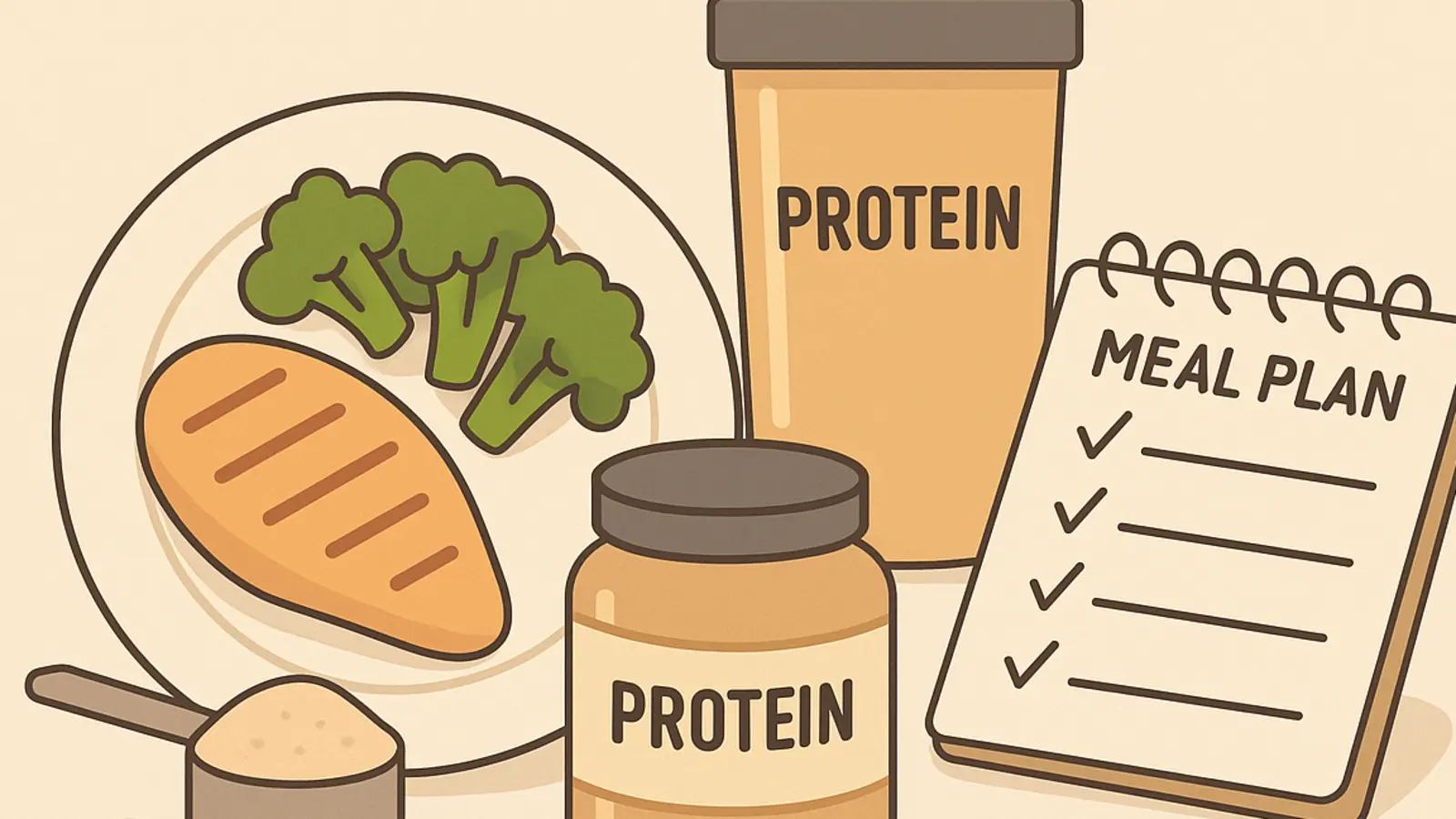
Why routines beat willpower
Most conversations about protein start with numbers: grams per kilogram, percentages of calories, ideal serving sizes. Those figures have their place, but they rarely survive Monday morning traffic, late‑running meetings or a school sports day in the rain. What tends to work better is a routine that quietly makes the right choice the easy one.
A routine is less dramatic than a “new plan”. It is the way your breakfast looks most days, how often you shop for basics, and what you keep in your bag when trains are cancelled. Done well, it covers your protein needs in the background so you can focus on work, training or family without constantly re‑calculating targets.
Start with the shape of your week
Before thinking about protein itself, sketch the shape of an average week. When do you usually train, and when are meals predictable versus chaotic? A simple way to map this is to draw seven columns for the days and block out:
- Anchored meals – breakfast at home, a packed lunch, a regular post‑work gym session.
- Unreliable slots – late meetings, kids’ activities, commuting days.
- Recovery windows – evenings after training or long walks.
This is the scaffolding your protein routine has to sit on. It is easier to adjust a pattern you already follow than to invent a new one from scratch.
Turning guidelines into portions
Most evidence‑based advice for active adults sits somewhere around 1.2–2.0 g of protein per kilogram of body weight per day, depending on training load and goals.[1] That range is helpful in theory but not something you want to track precisely every day.
A more practical approach is toaim for a meaningful portion of protein at each meal and use snacks or shakes to top up if needed. For many people this looks like:
- Breakfast: roughly 20–30 g of protein (for example, eggs on toast or yoghurt with nuts).
- Lunch: another 20–30 g from fillings, leftovers or salads with beans, fish or chicken.
- Evening meal: 25–35 g from meat, fish, tofu or a mix of plant proteins.
- Optional shake or snack: 15–25 g when training is heavier, appetite is low or time is tight.
If each main meal includes a sensible portion, the maths largely takes care of itself. You can adjust up or down depending on appetite, progress and how you feel.
A simple three‑meal protein template
To avoid decision fatigue, create a loose template for each main meal. The idea is not to eat identically every day, but to give yourself a “default setting” you can tweak.
Breakfast template
Pick one base, one protein and at least one extra:
- Base: oats, whole‑grain toast, yoghurt, or a smoothie.
- Protein: eggs, Greek yoghurt, cottage cheese, tofu scramble or a scoop of protein powder.
- Extras: fruit, nuts, seeds or nut butter.
A weekday breakfast might be overnight oats made with milk and a scoop of whey, topped with berries. At weekends the same template becomes eggs on toast with a side of beans.
Lunch template
Think in terms of“protein plus plants”:
- Whole‑grain wrap with chicken and salad.
- Lentil soup with a piece of cheese and bread.
- Tinned tuna mixed with beans, herbs and olive oil on top of new potatoes.
Keeping a few reliable protein sources in the cupboard—such as tinned fish, beans, or higher‑protein breads—means lunch can be assembled rather than cooked from scratch.
Evening meal template
Evening meals are where variety often creeps in, but the structure can stay simple: a palm‑sized portion of protein, a serving of carbohydrates, and plenty of vegetables. Curry with chickpeas and yoghurt, stir‑fried tofu with rice, or salmon with potatoes and greens all fit the bill.
Where supplements quietly help
Once whole‑food patterns are in place, supplements can plug specific gaps without taking over. A tub of protein powder is essentially a flexible ingredient: it can turn porridge into a higher‑protein breakfast, support a post‑session snack, or make it easier to eat enough on days when appetite is low.
For many people, a straightforward whey or plant‑based powder is all that is needed. One popular option is Optimum Nutrition Gold Standard Whey, which offers around 24 g protein per serving in a familiar format.
Example everyday protein powders

Gold Standard Whey
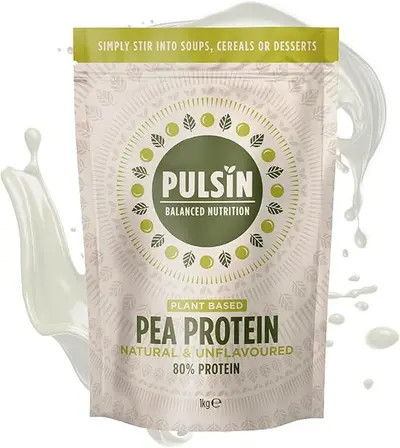
Pea Protein Powder
Building a weekly rhythm
With templates and products in mind, sketch a typical week of eating and training. The goal is not perfection; it is to see where protein already shows up and where gaps appear.
- Office worker: yoghurt‑based breakfasts, supermarket meal‑deal lunches with added chicken or hummus, a simple shake after evening gym sessions.
- Shift worker: batch‑cooked chilli or curry in containers, higher‑protein snacks like cheese, nuts or Greek yoghurt, plus a shake before or after night shifts if appetite is low.
- Parent with young children: shared meals built around baked chicken, fish fingers or bean chilli, with adults adding extra beans, eggs or a small shake if needed.
Instead of trying to change everything at once, pick one or two weak spots and adjust those first—perhaps adding a better breakfast on training days, or keeping a ready‑to‑drink shake in your bag for late finishes.
Adjusting as life changes
Your protein routine is not a contract; it is a living document. Training blocks, injuries, travel and family commitments all shift the picture. The aim is to have a pattern that adapts without collapsing. Questions worth checking in with every month or so include:
- Do my meals still feel satisfying, or am I constantly hungry between them?
- Has my training volume increased or decreased?
- Do I find it easy to prepare my usual options, or have new constraints appeared?
If energy, performance or appetite feel off, you can adjust your routine in small ways: an extra 10–15 g of protein at breakfast, replacing a low‑protein snack with a yoghurt or shake, or simplifying evening meals on busy days.
References
Turn Ideas into a Real‑World Routine
Ready to stock the cupboard? Explore our curated protein round‑ups and reviews to find powders that match your budget and taste.
Browse Top 10 PowdersTake the Quiz