
Why high‑protein doesn’t have to mean high‑price
At first glance, “high‑protein eating” can look expensive. Shiny tubs, boutique snack bars and pre‑made shakes quickly add up. Yet some of the most cost‑effective protein sources sit quietly on the lower shelves: eggs, beans, lentils, chicken thighs, frozen fish and own‑brand yoghurt.
The aim of this guide is not to push your bill higher, but to show where protein hides in everyday foods and how small tweaks can make a standard shop work harder for you.
Cheaper protein staples to lean on
Prices shift between supermarkets and over time, but certain patterns tend to hold. Dried and tinned pulses, eggs and bulk yoghurt often offer more protein per pound than specialist snacks.[1] A simplified comparison:
| Food (approx.) | Protein per portion | Typical value notes |
|---|---|---|
| Eggs (2 large) | ~12 g | Often cheaper per gram of protein than bars or shakes. |
| Tinned beans or lentils (half a tin) | 7–10 g | Low cost, long shelf life and works in many dishes. |
| Chicken thighs (one medium piece) | 20–25 g | Usually better value than breast; works well in tray‑bakes. |
| Own‑brand Greek‑style yoghurt (170 g) | 15–18 g | Doubles as breakfast, dessert or snack. |
Hacks at the supermarket
- Shop the bottom shelves. Own‑brand beans, oats and yoghurt often sit below eye level and cost less than premium versions.
- Buy plain, season at home. Flavoured yoghurts and pre‑marinated meats command a premium; herbs, spices and sauces are cheaper over time.
- Check the unit price. The price per 100 g or per litre on the shelf label tells you quickly whether a “bargain” is really good value.
- Use frozen sensibly. Frozen chicken, fish and vegetables often cost less and last longer, reducing last‑minute takeaways.
Batch‑cook once, eat three times
One of the most powerful budget hacks is to cook larger quantities of versatile dishes, then freeze portions. Chilli, curry, stews and soups all accept extra beans or lentils for cheap protein. Future you simply re‑heats and adds rice, bread or potatoes.
If freezer space is limited, focus on cooking ingredients that are boring to prepare repeatedly: large batches of grains, roasted vegetables or slow‑cooked meats that can appear in different meals across the week.
Where protein powder fits on a budget
At first glance a tub of protein powder can look pricey, but dividing the cost by the number of servings sometimes reveals it as a solid value option, especially compared with single‑serve shakes or bars. The catch is only if the tub sits unused.
To decide whether a powder earns its place in your budget, ask:
- Will I realistically use this at least three to four times a week?
- Does it replace a more expensive snack or takeaway?
- Can I use it in more than one way (shakes, oats, baking, sauces)?
Examples of powders that can be good value
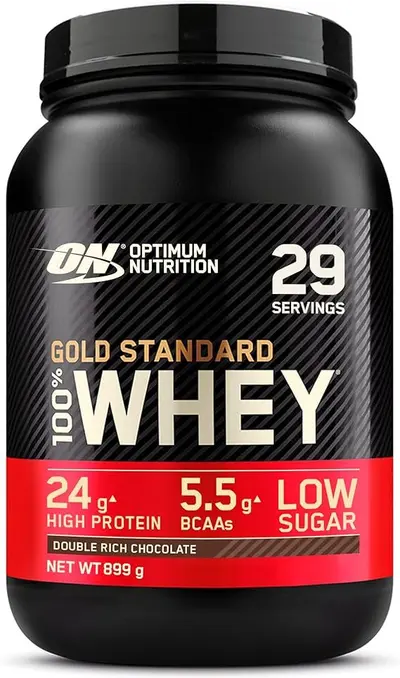
Gold Standard Whey
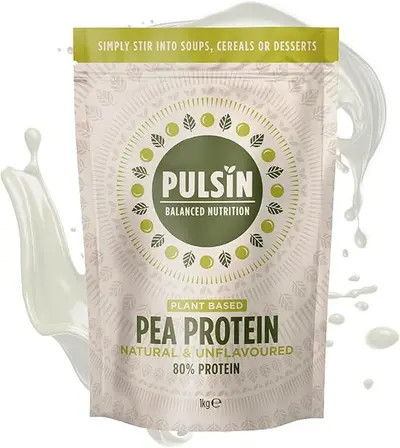
Pea Protein Powder
Everyday hacks at home
- Turn leftovers into tomorrow’s lunch instead of letting them languish in the fridge.
- Keep a “use‑me‑first” box for items close to their date.
- Grate cheese and freeze it so it can be sprinkled straight onto dishes.
- Slice bread and freeze it; toast from frozen when needed.
- Portion cooked meats and stews before freezing so you defrost only what you need.
References
NHS – “How to eat healthy on a budget”. Practical tips for stretching food spend.
Want More Low‑Cost Ideas?
Combine these hacks with our breakfast and snack guides to build an affordable, higher‑protein routine that feels sustainable.
Budget‑Friendly BreakfastsBudget Snack Ideas