
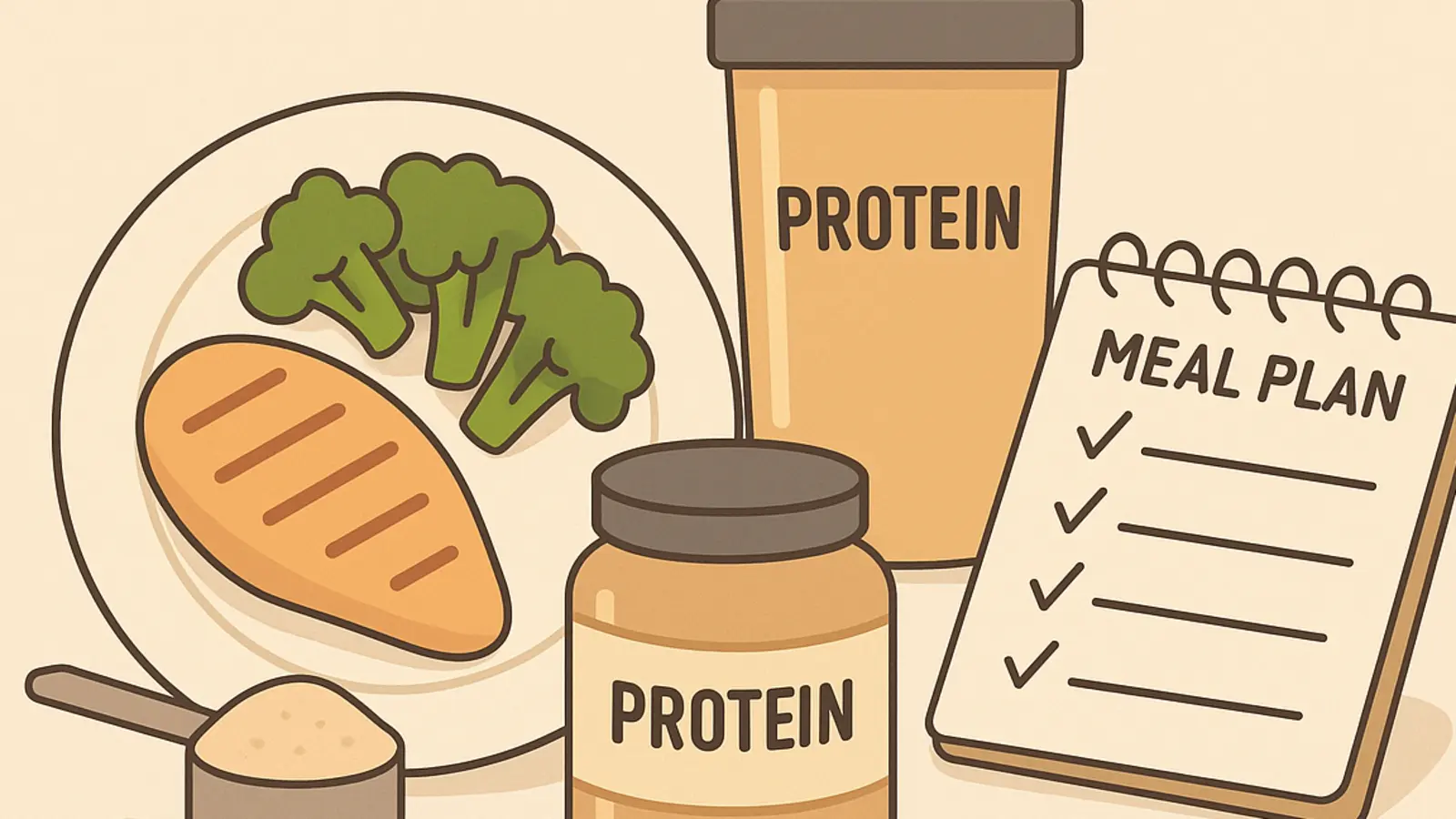
Why weeknights are the real test
It is easy to eat well on a quiet Sunday afternoon with no alarm clock and a full fridge. The challenge arrives on Wednesday when you are late leaving work, the train is delayed and the only thing in the cupboard is dry pasta and a jar of sauce. High‑protein eating that only works on perfect days is unlikely to last.
A better strategy is to design your kitchen so thataverage evenings still lead to decent meals. That means leaning on frozen vegetables, tinned staples and a few reliable protein anchors rather than chasing new recipes every week.
Stock once, cook many times
Meal planning begins at the supermarket, not at the hob. The goal is to keep a rotation of foods that can be turned into quick, balanced dinners with minimal thinking. A useful way to organise your list is into three columns:
- Protein anchors: chicken thighs, tinned tuna, eggs, tofu, Greek yoghurt, lentils, beans.
- Carbohydrate bases: oats, whole‑grain pasta, rice, potatoes, whole‑meal wraps.
- Flavour and fibre: frozen mixed vegetables, onions, garlic, herbs, spices, tinned tomatoes.
With those on hand, most of the work is already done. A tray of chicken with vegetables and potatoes, a pan of lentil and tomato stew, or a tofu stir‑fry over rice all use the same foundations.
The tray‑bake rule
When energy is low, washing up is the bottleneck. One solution is a simple tray‑bake rule: on your most chaotic nights, cook everything on a single tray. Pick:
- One protein (chicken thighs, firm tofu, sausages, halloumi).
- One or two veg mixes (frozen Mediterranean vegetables, carrots, broccoli, peppers).
- One carbohydrate (potatoes, sweet potatoes or pre‑cooked grains).
Toss with oil and seasoning, roast, and serve with yoghurt or a simple sauce. The exact combination can change every week, but the method stays the same.
Adding protein without rebuilding recipes
Many family favourites are lower in protein than you might like, but that does not mean they need to disappear. Small tweaks go a long way:
- Stir a drained tin of lentils or beans into pasta sauces, curries or soups.
- Swap part of the mince in chilli or Bolognese for extra beans.
- Add a side of Greek yoghurt, cheese or eggs to vegetarian dishes.
- Sprinkle nuts and seeds over salads and roasted veg.
For some people, a scoop of protein powder becomes part of the toolkit: stirred into soups after cooking, blended into sauces, or added to yoghurt. A neutral powder like pea protein is often easier to hide than a strongly flavoured option.
Examples of powders that work in meals

Gold Standard Whey
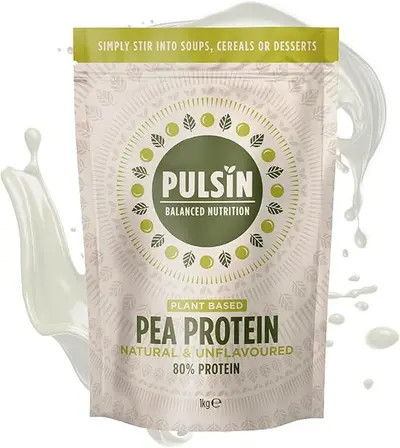
Pea Protein Powder
Sample four‑day high‑protein plan
The table below sketches four simple days using ordinary supermarket foods. Portions are approximate; adjust for appetite and household size.
| Day | Breakfast | Lunch | Evening meal |
|---|---|---|---|
| Mon | Overnight oats with milk, whey and berries. | Chicken wrap with salad and yoghurt dressing. | Tray‑bake chicken with mixed veg and potatoes. |
| Tue | Greek yoghurt with granola and seeds. | Lentil soup with whole‑grain bread and cheese. | Stir‑fried tofu with vegetables and rice. |
| Wed | Scrambled eggs on toast with tomatoes. | Tuna and bean salad with potatoes. | Chilli made with mince and extra beans, served with rice. |
| Thu | Smoothie with milk, fruit, oats and pea protein. | Leftover chilli in a wrap with salad. | Baked salmon or tofu with frozen veg and new potatoes. |
Planning that still leaves room for spontaneity
Rigid meal plans tend to break the moment life changes. Instead of assigning every meal to a specific day, consider keeping a “menu board” of four or five dinners you can make quickly. When you look in the fridge at 6 pm, the question becomes “Which of these can I assemble with what I have?” rather than “What did the plan tell me to cook?”
As long as each option includes a decent protein source and some plants, you are doing most of the important work. Protein powders can then support the edges of your week rather than taking centre stage.
References
British Dietetic Association – “Protein”. Overview of protein requirements and food sources.
NHS – “The Eatwell Guide”. Practical guidance on building balanced meals.
Need Breakfast or Snack Ideas?
For more concrete examples, explore our guides on high‑protein breakfasts, snacks and recovery meals.
Breakfast IdeasSnack Ideas